


Japanese soy milk is a plant-based milk made from soybeans. Unlike other soy milks available today, Japanese soy milk is also rooted in authentic Japanese soybean craftsmanship. It uniquely combines protein and other nutrition benefits with a mild, pleasant flavor and a smooth, creamy finish.
Even better, Japanese soy milk is simple to use. It’s shelf-stable for storage, and once opened, it’s an excellent dairy substitute for drinking on its own, in other beverages or in your favorite recipes. Here, you’ll learn what makes Japanese soy milk such an easy-sipping beverage – and why you’ll seek it out to enjoy again and again. Grab a glass and let’s go!

Soy is at the heart of Japan’s food culture, and when you drink Japanese soy milk, you feel that. The process of creating Japanese soy milk reflects generations of refinement, precision and respect for ingredients. In other words: pure deliciousness.


The story of Japanese soy milk begins here in the U.S. and Canada. It’s made from high-quality, non-GMO soybeans sourced from North American farmers.
The process of making Japanese soy milk sounds simple: grind soybeans, add water and heat the mixture. However, each manufacturer has their own techniques. For example, Kikkoman – already known by many Americans for their soy expertise – uses specialized technology and processing methods to produce soy milk that tastes, feels and smells delightfully mellow.
Here are three factors that set Japanese soy milk processing apart:


To make soy milk, the soybean skin and bean sprout are peeled, eliminating the “beany” smell sometimes found in other soy milks.
Kikkoman uses the heart of the soybean – the part that creates the best aroma, taste and texture.
Once extracted, the heart of the soybean is heated rapidly to prevent damage and preserve its clean, fresh flavor.
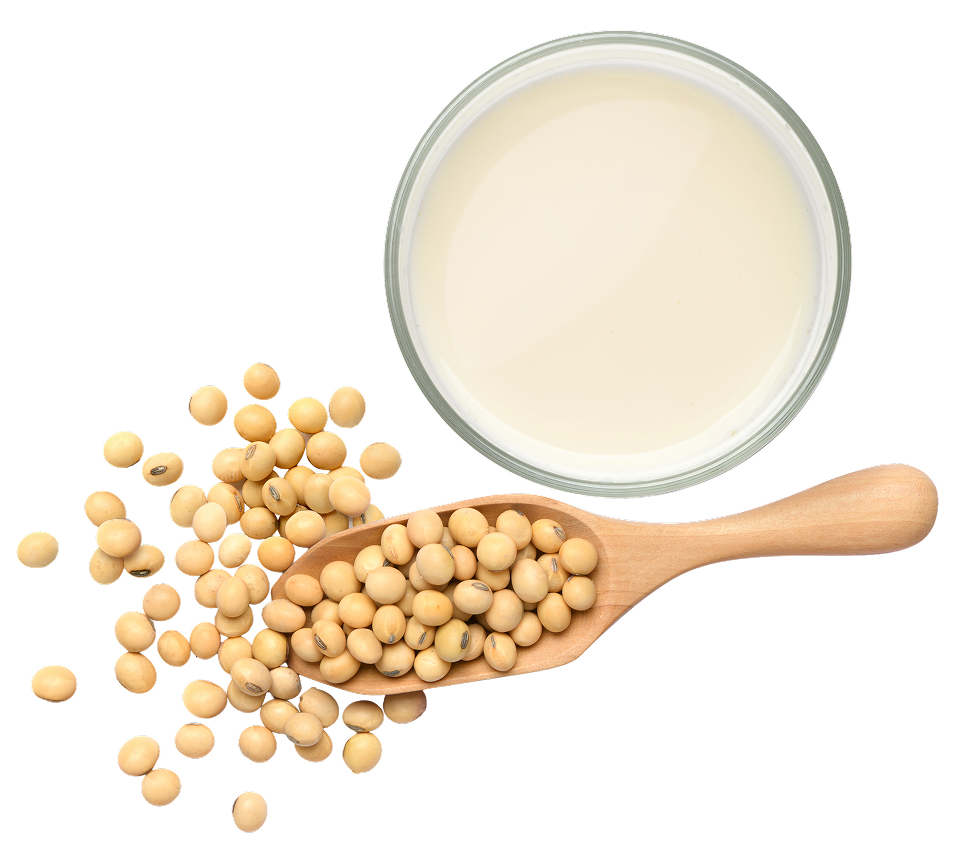
So, how should soy milk taste? How should it feel? Unless it’s a flavored variety, soy milk on its own shouldn’t have a strong taste! It should feel silky and delicious to drink.

Mild, subtly nutty flavor and naturally creamy
Heavy or bitter, with more beany, grassy notes
The smooth texture and mild taste make Japanese soy milk an ideal plant-based swap for dairy milk. It also enhances all the other flavors around it.

Enjoy as a drink on its own

Use as an ingredient in food or drinks

Add to coffee, tea and other beverages
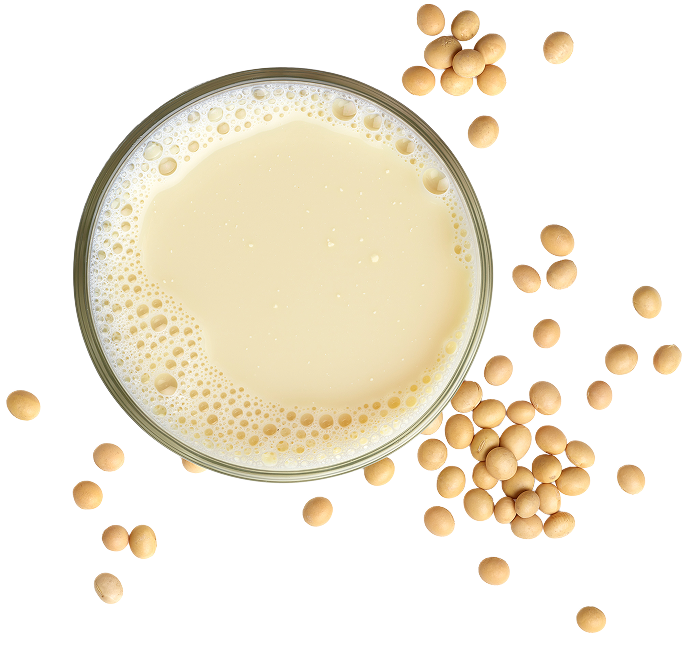
Everyone needs simple, enjoyable ways to get more protein and nutritional benefits into their everyday life. Japanese soy milk makes it easy! It has a variety of nutrients and health benefits, with simple ingredients you can trust.
Soy is known for protein. It’s one of the highest-quality plant proteins, containing all nine essential amino acids. Japanese soy milk is a protein powerhouse, delivering 9-10 grams of complete plant protein per serving – more than dairy milk, but with about half the carbs! And, since the soy protein in soy milk is digested slowly, it may help you feel fuller for longer.
Japanese soy milk also contains vitamins and minerals such as potassium and magnesium, which many Americans need to consume more of to reach the recommended daily intake. These nutrients are absorbed more easily in beverage form compared to other soybean foods.
Japanese soy milk includes key nutrients that support overall health.





Japanese soy milk is a time-tested beverage. It is more than 1,000 years old, and in Japan, it’s thought to date back to at least the Heian period (794-1185 AD).
Soybeans and soy-based foods, like Japanese soy milk, play an essential role in washoku – the traditional Japanese diet. Washoku incorporates a balanced range of nutritious foods from the land and sea, including beans, rice, vegetables, fish and seaweed.
Japan is one of the highest-ranking countries in the world for both life expectancy and healthy life expectancy.
Washoku is so iconic and enduring that it was named a UNESCO Intangible Cultural Heritage in 2013.
Japanese soy milk is part of this long, rich heritage! Today, it’s known for being a convenient, versatile, appealing way to get the benefits of soy into your daily diet.




Quite simply, Japanese soy milk has it all!

Enjoyable, with a silky smooth texture and mild, pleasant flavor and aroma
Simple to incorporate daily as a dairy replacement to drink, add to beverages or use in recipes
Nutritious, featuring complete, high-quality plant protein and other essential nutrients
Authentic, reflecting centuries of Japanese heritage and culture
Premium, crafted with North American soybeans using sophisticated processes refined over generations

Japanese soy milk is an ideal plant-based beverage for Americans looking
for the ultimate combination of nutrition, flavor and craftsmanship.